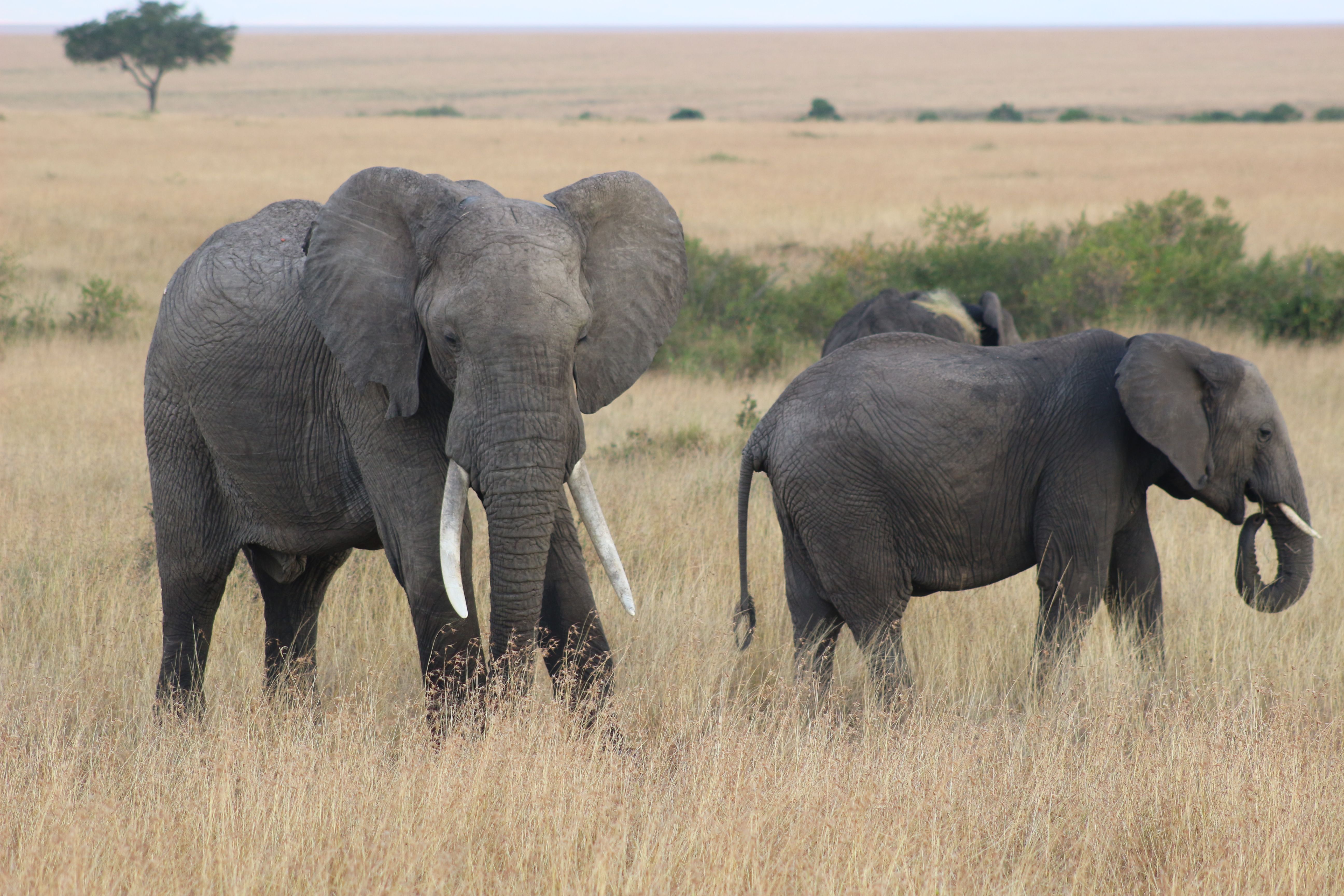
The Maasai Mara National Reserve covers 1,510 square kilometres of rolling grassland in south west Kenya, forming the northern extension of the Serengeti ecosystem. It is the most visited wildlife reserve in the country, and for good reason. The open plains hold one of the densest concentrations of large mammals on the continent, resident prides of lion and high numbers of leopard and cheetah are present throughout the year, and for several months the reserve hosts one of the great wildlife spectacles on earth: the wildebeest migration.
The timing of a visit shapes almost everything else, from which animals are likely to be seen to how much the trip will cost. This guide sets out the practical decisions involved in planning a Maasai Mara safari: when to go, how long to stay, what wildlife to expect, current park fees and accommodation costs across budget, midrange and luxury tiers, entry requirements, what to pack and how to get there.
Best time to visit
The Mara has two distinct high seasons. The first runs from July to October, driven by the annual wildebeest migration. During this period, approximately 1.5 million wildebeest and 500,000 zebra move north from the Serengeti in search of fresh grazing. The Mara River crossings, where the herds charge through crocodile filled water, are among the most dramatic wildlife events on earth. River crossing sightings are never guaranteed, but the probability is highest between August and September.
The second high season runs from January to March, coinciding with a short dry spell. Vegetation is lower and wildlife concentrates around water sources, making game viewing reliable even without the migration spectacle. Rates at many camps are lower than during the July to October peak.
The two rainy seasons, the long rains from April to June and the short rains in November, bring lush landscapes, far fewer tourists and discounted rates. Game is harder to find in the thick vegetation, but the Mara is never empty of wildlife, and these months suit visitors who prioritise quiet camps and lower costs over migration drama.
In short, July to October offers the migration and the strongest overall game viewing, at the highest prices and with the largest crowds. January to March offers excellent game viewing at lower cost and with fewer visitors. April, May, June and November are the quietest and cheapest months, with green scenery but less predictable sightings.
What wildlife to expect
The Maasai Mara is one of the most reliable places in Africa to see the so called Big Five: lion, leopard, elephant, buffalo and rhino. Lion prides in the Mara are large and well habituated to vehicles, and several of the reserve's prides are among the most studied in Africa. Leopard sightings are common along the riverine forest bordering the Mara, Talek and Sand Rivers, and the reserve holds one of the highest cheetah densities anywhere on the continent, with cheetah frequently seen hunting on the open plains during the cooler hours of the morning.
Black rhino numbers are low, and the population is concentrated mainly within the Mara Triangle on the western side of the reserve, managed by the Mara Conservancy. Sightings are possible but should not be expected on every visit.
Beyond the predators, the Mara holds large resident herds of African elephant, buffalo, giraffe, hippo and Burchell's zebra, alongside Thomson's gazelle, topi, eland, impala and the occasional bat eared fox. The Mara and Talek Rivers hold substantial populations of Nile crocodile, most visible during migration crossings but present year round. Birdlife is rich throughout the reserve, with over 470 species recorded, including ostrich, secretary bird, several vulture species and a wide range of raptors.
During migration months, the resident wildlife is joined by roughly 1.5 million wildebeest and 500,000 zebra moving through the ecosystem, along with the predators that follow them. Outside the migration window, the Mara's resident wildlife remains substantial, and game drives are productive throughout the year.
How long to stay
Three nights is the practical minimum for a first visit. Two full days of game drives are enough to build a sense of the landscape and improve the odds of good sightings across different parts of the reserve. Four to five nights is more comfortable, particularly when visiting during migration season and hoping for multiple attempts at a river crossing.
The Mara is large enough that the area chosen for accommodation matters. The northern sector, around Mara North Conservancy, is less crowded than the national reserve and allows walking safaris and night drives, activities not permitted inside the reserve itself. The Musiara and Mara Triangle areas hold the densest wildlife year round.
Entry requirements and visa
Most foreign nationals visiting Kenya need an Electronic Travel Authorisation (eTA) rather than a traditional visa. Kenya discontinued visa on arrival and its previous eVisa system in January 2024, and almost all visitors must now apply online for an eTA before travelling, via the official portal at etakenya.go.ke. The standard eTA costs around $30 to $34 once processing charges are included, is usually approved within a few days, and is valid for entry within 90 days of issue. Every traveller, including infants, needs their own approved eTA, and airlines can refuse boarding without one.
Citizens of several countries, including Kenya's East African Community neighbours and a growing list of African nations, are exempt from the eTA and can enter with a passport or national identity document alone. Travellers combining a Kenya safari with a trip to Uganda or Rwanda can apply instead for the East African Tourist Visa, a single fee covering all three countries.
A yellow fever certificate is required for travellers arriving from, or transiting through, a country where yellow fever is endemic. It is not required for visitors flying directly from the United Kingdom, mainland Europe or North America. Entry requirements are revised periodically, so it is worth checking the official eTA portal close to the date of travel rather than relying on older guides.
Park fees and costs
Non resident park fees for the Maasai Mara National Reserve are charged per adult per day and are set by the Narok County Government. For 2026, the fee is $100 per adult per day for travel between January and June, rising to $200 per adult per day from July onwards, when the migration season begins. Children aged roughly 9 to 17 pay a reduced rate, and younger children generally enter free. Visitors based in the Mara Triangle, managed separately by the Mara Conservancy, are subject to a different fee structure again. Fees are usually included in all inclusive camp packages, but it is worth confirming with your operator whether park fees are covered in your rate or payable separately at the gate.
If you stay in one of the private conservancies bordering the national reserve, such as Mara North, Naboisho or Ol Kinyei, you pay a separate conservation fee of roughly $80 to $150 per person per night, in addition to your accommodation rate. This is separate from, and additional to, the national reserve fee if you also drive into the reserve itself.
Total daily costs vary considerably by accommodation tier, and rise further from July when park fees double. Budget travellers staying in tented camps outside the reserve pay around $150 to $250 per person per night, inclusive of game drives and meals. Midrange camps inside or adjacent to the reserve run from $300 to $600. Luxury tented camps and lodges start at around $700 and can exceed $2,000 per person per night during peak migration season, when demand for the best camps is highest.
Flights are a significant additional cost for most travellers. Domestic flights from Nairobi's Wilson Airport to the Mara airstrips, including Keekorok, Ol Kiombo and Mara North, take around 45 minutes and cost $130 to $200 each way. The road transfer from Nairobi takes five to six hours and is a rougher option, though it cuts flight costs considerably.
Accommodation options
Budget
Budget options sit mostly outside the national reserve, in community conservancies or on the reserve boundary. Permanent tented camps with en suite facilities and included game drives are available from around $150 per person per night. Expect smaller camps, fewer vehicles per driver and slightly longer drive times to prime game areas.
Midrange
Midrange camps at $300 to $600 per person per night are positioned inside or adjacent to the reserve, with experienced guides, comfortable tents and good food. Several well regarded camps in this range operate in the Mara Triangle and Mara North Conservancy, where vehicle numbers are controlled and game viewing quality is high.
Luxury
Luxury camps, particularly in Mara North and the surrounding conservancies, offer private game drives, walking safaris, fly camping and high guide to guest ratios. The best camps in this tier are small, with fewer than 20 beds, and sit in exclusive concession areas where no other vehicles operate. This is the most immersive way to experience the Mara, at a price to match.
What to pack
The Mara sits at an average elevation of 1,600 metres. Mornings and evenings are cool even in peak summer, with temperatures dropping to around 12°C at dawn. Midday is warm, reaching the mid twenties. Neutral colours are recommended for game drives; bright colours and white should be avoided. Light layers that can be added or removed are more practical than heavy clothing.
A good pair of binoculars will significantly improve the game drive experience. A specification of 8x42 or 10x42 gives enough magnification for open plains while remaining practical to carry. For photography, a telephoto lens in the 100 to 400mm range covers most situations, and a beanbag or vehicle mounted support is more practical than a tripod inside a safari vehicle. Sunscreen, a hat and a light rain layer cover most contingencies regardless of season.
Getting there
The Mara is accessible by scheduled or charter flight from Nairobi Wilson Airport, or by road from Nairobi via the B3 highway through Narok. Most safari operators include transfers in their packages. Self drive is possible for experienced off road drivers with a 4WD vehicle, but road conditions between Narok and the reserve boundary are poor during the rains.
The nearest major town is Narok, 140 km from the reserve, where fuel and basic supplies are available. There are no large towns within the reserve itself.
Frequently asked questions
Is the Maasai Mara worth visiting?
Yes. The Maasai Mara holds one of the densest concentrations of large mammals in Africa, with reliable sightings of lion, leopard, cheetah, elephant and buffalo throughout the year, and the added spectacle of the wildebeest migration between July and October.
How many days do you need in the Maasai Mara?
Three nights is a practical minimum, giving two full days of game drives. Four to five nights is more comfortable, particularly during migration season, when extra time improves the chances of seeing a river crossing.
What is the best month to visit the Maasai Mara?
August and September give the best chance of seeing a Mara River crossing during the wildebeest migration. January to March offers excellent game viewing at lower cost and with fewer visitors, while April, May, June and November are quieter and cheaper still.
Do I need a visa to visit the Maasai Mara?
Most foreign visitors to Kenya need an Electronic Travel Authorisation rather than a visa. It is applied for online before travel, costs around $30 to $34, and is usually approved within a few days. Visa on arrival is not available.
How much does a Maasai Mara safari cost?
Costs vary widely by accommodation tier. Budget tented camps outside the reserve cost around $150 to $250 per person per night, midrange camps run from $300 to $600, and luxury camps start at around $700 and can exceed $2,000 per person per night during peak migration season.
Is the Maasai Mara safe to visit?
The Maasai Mara is one of Kenya's most established and well visited safari destinations, with experienced guides and well run camps. Game drives are conducted in vehicles with trained drivers, and camps brief guests on safety around wildlife.
Comments
Loading comments…